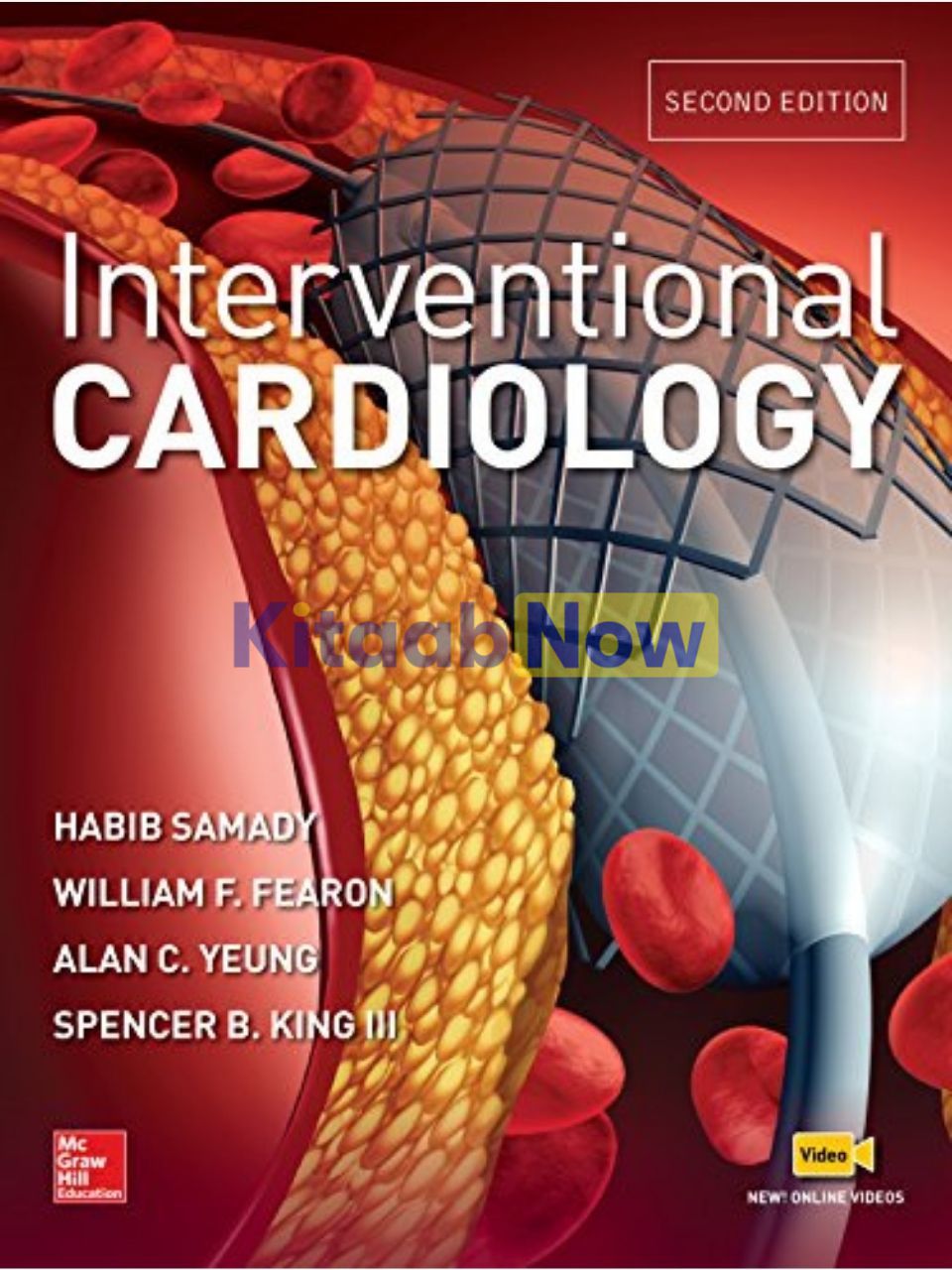
Interventional Cardiology (2nd Edition)
$ 94.78
Retail prices excluding local 15% VATSecure Checkout and Payment Options
Fast, Reliable Delivery
In the detail
- V266ml – H92mm
- 100% glass
- Highly chip resistant
- Dishwasher and glasswasher safe
- Duratuff reinforcement
- Suitable for the service of coffee as well as spirits on the rocks
- Available in a range of sizes, perfect for any occasion
Have any queries?
Learn more about the brand

DescriptionThe first – and best – primer for the cardiovascular interventionalist – updated with more than twenty new chapters and all-new Q&AA Doody’s Core Title for 2021! Filling a crucial gap in procedural knowledge, this groundbreaking reference was the first to focus on interventional cardiovascular procedures. Interventional Cardiology, Second Edition includes a completely updated section on procedures, as well as chapters on the necessary scientific foundation, to which specialists will refer every day in their clinical practice. In addition, each procedural chapter is enhanced by valuable tips and pitfalls from an internationally recognized group of experts.The comprehensive coverage of this groundbreaking resource is highly accessible, thanks to a well-organized full-color format that synthesizes important information and provides a consistent template in describing each procedure. Throughout the book, charts and tables help to summarize key concepts and can serve as the basis for a detailed overview.Key FeaturesNEW to this edition: Multiple-choice questions (with answers) at the end of most chapters*21 NEW CHAPTERS, including History of Interventional Cardiology, Publishing Interventional Cardiology Research, Web-Based Learning, Medical Simulation in Interventional Cardiology, Emerging Clinical Applications of Physiologic and Intravascular Imaging Tools, An Overview of MitraClip Procedure, Cell Therapy for Cardiovascular Disease, and moreEdited by some of the foremost experts in the field, and featuring contributions from key opinion leaders in interventional cardiologyTop-to-bottom coverage of the latest interventional cardiology techniquesValuable perspectives on avoiding and properly managing complicationsUp-to-date information on devicesNumerous high-quality full-color images and figures throughoutHigh-yield content makes it valuable for board reviewMore than 1,500 illustrations, including more than 600 full-color photographs.Table of ContentsPart 1. Knowledge FoundationSection 1. Anatomy for Interventional CardiologyCoronary Artery Anatomy for the Interventionalist, add some bypass anatomy?Cardiac Chamber Anatomy (emphasize atrial septum and appendage)Valve Anatomy (emphasize aortic and mitral)Peripheral Anatomy for the Interventionalist add radial (upper arm) anatomy Should we add carotid?Section 2. PhysiologyThe Coronary Circulation, emphasize FFR based conceptPhysiological Evaluation of Renal Artery Stenosis: A Hemodynamic ApproachSympathetic nervous system physiology (enphasize renal)Section 3. PathophysiologyValvular PathophysiologyArterial Disease Separate Coronary atherosclerosis from Arterial DiseaseVentricular PathophysiologyPart 2. Equipment: Construction and PerformanceEquipment for Percutaneous Coronary InterventionDesign and Construction of StentsAdjunctive Devices: Atherectomy, Thrombectomy, Embolic Protections, IUVS, Doppler, and Pressure WiresAortic valvuloplasty equipmentTAVR EquipmentRenal Dernervation equipmentClosure devicesEquiptment for structural heart disease interventions (ASD PFO etc) –This may precede TAVI, renal etcPart 3. Principles and Catheter Laboratory EquipmentX-Ray Cinefluorographic SystemsOperational Radiation Management for Patients and StaffX-Ray Computed Tomography and Magnetic Resonance Imaging of the Coronary ArteriesIntracardiac Echocardiography, OTC and FFR in the Catheterization LaboratoryCardiac Catheterization Laboratory Physiologic RecordersDigital Image Formats and Archiving PracticesPart 4. Pharmacology Major update in contentAntithrombin TherapiesAntiplatelet Therapies in Contemporary Percutaneous Coronary InterventionThrombolytic TherapyRadiographic Contrast MediaRenal Complications of Contrast MediaPatient Sedation in the Cardiovascular Catheterization LaboratoryPart 5. ProceduresDiagnostic Procedures: Special ConsiderationsRadial ApproachDiagnostic Procedures: Peripheral AngiographyAdjunctive Diagnostic TechniquesCoronary Guidewire ManipulationCoronary Balloon AngioplastyCoronary Stenting, Bare Metal Stents, and Drug-Eluting Stents plus Bioabsorbable stentsDrug eluting balloonRotational Atherectomy: Concepts and PracticeInstent restenosisBasic Wire-Handling Strategies for Chronic Total OcclusionPercutaneous Intervention in Chronic Total Coronary OcclusionsDistal Embolic Protection DevicesIntervention in Venous and Arterial GraftsSpecial Considerations: Acute Myocardial InfarctionComplex Lesion Intervention: Bifurcation, Left Main Coronary Artery, and Ostial LesionsSpecial Considerations: Small Vessel and Diffuse DiseaseSpecial Patient Subsets: Diabetic and ElderlyInoue-Balloon Mitral ValvuloplastyAortic Valvuloplasty and Future Solutions to Aortic Valve DiseaseTwo TAVR techniquesBalloon Pulmonary ValvuloplastyMitral clipAtrial appendage closurePercutaneous Closure of Atrial Septal Defect and Patent Foramen OvaleAlcohol Septal Ablation for Obstructive Hypertrophic CardiomyopathyCoronary Vein Device InsertionDevice Retrieval SystemsPercutaneous Treatment of Coronary Artery FistulasRenal Artery Angioplasty and StentingRenal denervationIliac Angioplasty and StentingEndovascular Abdominal Aortic Aneurysm RepairCarotid and Vertebral Artery InterventionPart 6. Complications and Management More case basedRisk Stratification in Interventional CardiologyAcute Threatened Coronary ClosureSubacute ClosureCoronary Artery PerforationEmbolization and No-Reflow During Percutaneous Coronary InterventionEmergency SurgeryComplications of Peripheral ProceduresEmergency resuscitation measuresPart 7. Medical Management of Risk FactorsLipid-Lowering Therapy and the Interventional CardiologistHypertensionDiabetes and Cardiovascular DiseaseNontraditional Risk Factors for AtherosclerosisPart 7′ Procedure selection (AUC and the “Heart Team”)Appropriateness criteria for coronary revascularizationAppropriateness criteria for other procedures if there are anyPart 8. Preclinical and Clinical TrialsPreclinical Laboratory FunctionsThe Core Laboratory: Quantitative Coronary Angiography and Intravascular UltrasoundHow to Read Clinical TrialsPart 9. Reimbursement and Hospital FinanceCost-EffectivenessQuality Assurance and Quality Improvement in Interventional CardiologyACOPart 10. Principles of InnovationInnovation and Interventional Cardiology: Looking Back, Thinking AheadPrinciples of Innovation: Transforming Clinical Needs into Viable InventionsRegulatory considerationsWeb based learningWeb based clinical careIndexAuthors BiographySpencer B. King, III, MD Director, Interventional Cardiology Emory University School of Medicine Atlanta, GAHabib Samady, MD (Atlanta, GA) Professor, Division of Cardiology; Director, Interventional Cardiology, Emory University School of Medicine.William Fearon, MD (Stanford, CA) is Associate Professor, Department of Interventional Cardiology, Stanford University School of Medicine.Alan C. Yeung, MD (Stanford, CA) is Chief (Clinical) Division of Cardiovascular Medicine, Director, Interventional Cardiology, Stanford University School of Medicine.Spencer B. King III, MD (Atlanta, GA) Professor of Medicine, Emeritus; Editor-in-Chief, JACC Cardiovascular Interventions; Past Director of Cardiac Cath Lab and Interventional Cardiology; Past President and Executive Director, Academic Affairs, Heart and Vascular Institute at Saint Joseph’s Hospital.